For many pediatric cancer patients from Gaza, specialized treatment is unavailable locally due to the collapse of health services and limited access to oncology care. As a result, children requiring advanced treatment are often evacuated to specialized centers outside Gaza.
While access to treatment abroad is critical for survival, relocation places families in unfamiliar environments and creates additional economic and social burdens. Families must cope with travel, accommodation, daily living expenses, and long treatment periods away from home.
Caregivers often suspend work and other responsibilities to accompany their children, while children face interruptions in education and social development. Without support, these challenges can add significant stress during an already difficult treatment journey.
PAMA’s intervention therefore focused on providing holistic support to both patients and caregivers, ensuring that families could remain together and focus on the child’s recovery.
Target Beneficiaries
Pediatric cancer patients from Gaza receiving treatment at King Hussein Cancer Center
Secondary Beneficiaries
- Parents and caregivers accompanying children during treatment
- Families facing economic hardship due to prolonged medical care abroad
Project Objectives
The goal of this project is to support pediatric cancer patients from Gaza receiving treatment in Jordan by addressing essential livelihood, psychosocial, and educational needs during extended medical care.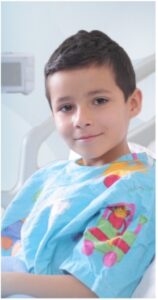
Key Activities
- Accommodation and Living Support
To ensure stable living conditions during treatment, the program provided accommodation and meals for patients and their accompanying caregivers.
- Transportation Assistance
Transportation support was provided to facilitate the movement of patients and caregivers between accommodation and the hospital, ensuring reliable access to treatment and follow-up care.
- Daily Living Assistance
The project provided per diem assistance to help families cover essential daily expenses during their stay.
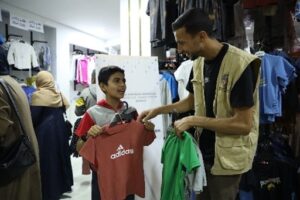
In addition, clothing and grocery support was provided to ensure families could meet their basic needs while away from home.
- Education Support
Recognizing the importance of maintaining children’s education during long treatment periods, the project provided education scholarships to support continued learning despite prolonged medical treatment.
Program Contribution
Through comprehensive support addressing both medical and non-medical needs, the project helped:
- reduce the financial and emotional burden on families
- ensure stable living conditions during treatment
- support children’s dignity and well-being
- enable families to focus fully on the child’s recovery
Service Delivery Impact (2025)
The project supported:
| 55 | pediatric cancer patients |
| 115 | Caregivers and accompanying persons |
| 9 | Educational scholarships |