The healthcare system in Gaza has faced unprecedented strain due to conflict-related damage to infrastructure, shortages of specialized healthcare professionals, and overwhelming patient needs. In addition to the destruction of healthcare facilities, Gaza has experienced a significant loss of healthcare workers and specialized medical professionals, further weakening the health system’s ability to provide advanced care.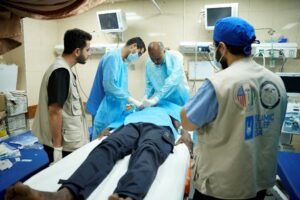
Hospitals have been forced to operate under extreme conditions while managing large numbers of trauma cases and patients requiring complex surgical and medical care. At the same time, access to specialized expertise has become increasingly limited.
Medical missions play a critical role in addressing these gaps by bringing highly specialized physicians and medical teams to work alongside local healthcare providers. These missions expand access to specialized treatment, support life-saving procedures, and strengthen the skills and capacity of local healthcare teams through mentorship and knowledge exchange.
Project Objectives
Through these missions, PAMA contributed to:
- expanding access to specialized medical care
- strengthening hospital capacity during crisis conditions
- supporting life-saving surgical procedures
- building clinical capacity among local healthcare providers
- improving treatment outcomes for patients requiring complex care
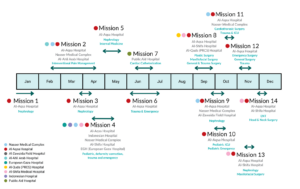
Key Activities
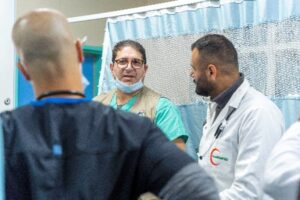
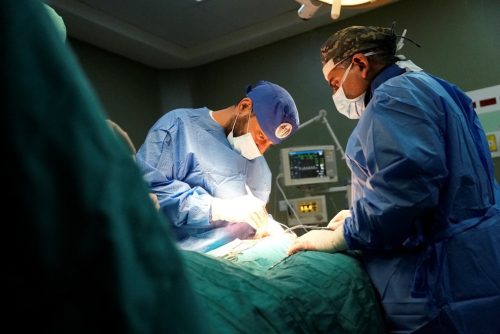
PAMA deployed rotating teams of international medical specialists across hospitals in Gaza to provide specialized services and support hospital departments facing critical staffing shortages.
Medical teams included specialists in:
- trauma and emergency surgery
- nephrology and dialysis
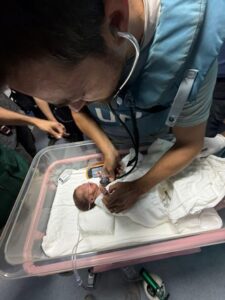
- pediatric surgery and pediatric intensive care
- cardiac catheterization
- cardiovascular and thoracic surgery
- plastic and reconstructive surgery
- maxillofacial surgery
- otolaryngology (ENT / head and neck surgery)
- interventional pain management
- internal medicine
Medical mission teams worked directly with hospital staff to provide:
- complex surgical procedures
- specialist consultations
- emergency and trauma care
- multidisciplinary patient management
Beyond clinical service delivery, medical missions emphasized knowledge transfer and capacity strengthening. Local healthcare providers received hands-on training and mentorship during missions, allowing them to strengthen clinical skills and expand their ability to manage complex cases independently. Training was delivered through:
- bedside mentorship
- joint surgical procedures
- case discussions and clinical supervision
Service Delivery Impact (2025)
Through the deployment of specialized medical missions, the program achieved significant impact:
14 specialized medical missions deployed across Gaza
20 EMTs
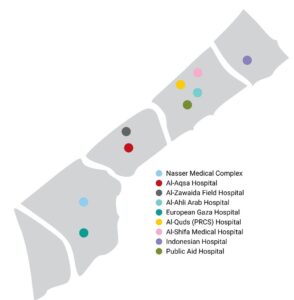
9 hospitals supported
762 surgical procedures performed
390 major surgeries
372 minor surgeries
10,439 medical consultations provided (duplicated count)
31 health workers trained through on-site mentorship
139 patient referrals supported for advanced or follow-up care