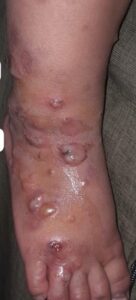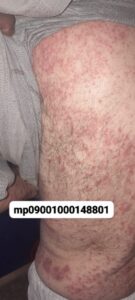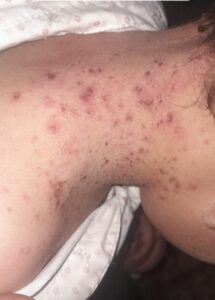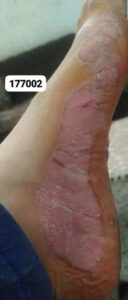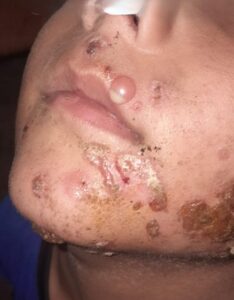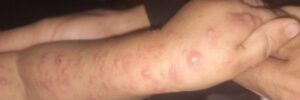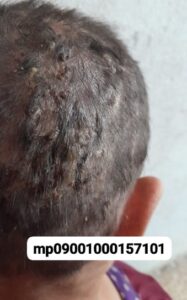
The humanitarian crisis in Gaza has led to widespread displacement, overcrowded shelters, poor sanitation, and limited access to clean water, creating conditions that contribute to a rapid increase in dermatological diseases.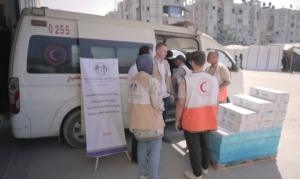
Common skin conditions, including bacterial infections, fungal infections, parasitic infestations, and inflammatory skin diseases, have become increasingly prevalent, particularly among children and displaced populations. At the same time, access to specialized dermatology care has been severely constrained due to damage to health facilities, shortages of specialists, and restrictions on movement.
Telemedicine provides an innovative solution to bridge this gap. By connecting local healthcare providers with remote specialists, teledermatology allows patients to receive expert diagnosis and treatment recommendations without the need for travel or referral to specialized facilities.
Project Objectives
The overall objective of this project is to improve access to specialized dermatological care for vulnerable populations in Gaza through a telemedicine-based service delivery model.
Specific Objectives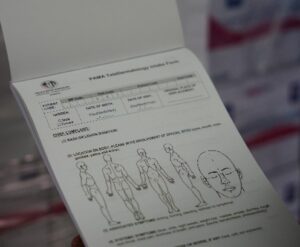
- Strengthen dermatology diagnostic capacity in Gaza through telemedicine consultations with international dermatologists.
- Support frontline healthcare providers with specialist guidance for diagnosis, treatment planning, and follow-up care.
- Ensure availability of essential dermatological medications to enable effective treatment.
Geographic Coverage
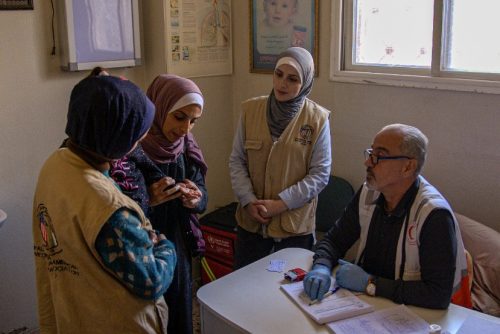
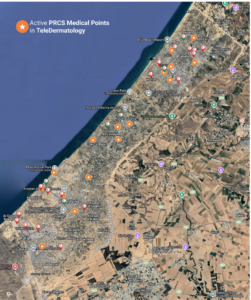
The project operates across Palestine Red Crescent Society medical points throughout the Gaza Strip, serving displaced populations and communities with limited access to specialized healthcare.
Key Activities
- Building Capacity and System Readiness
The initiative began with a strong focus on quality, safety, and standardization, ensuring reliable service delivery under rapidly changing emergency conditions. Key actions included:
- Development of standardized teledermatology intake forms and documentation tools
- Training PRCS healthcare teams in:
- dermatological assessment
- telemedicine workflows
- clinical documentation and follow-up
- adherence to standardized protocols
The program also adopted a phased and adaptive implementation approach:
A pilot phase was implemented in February 2025 across three PRCS medical points, demonstrating the feasibility of the teledermatology model.
Following the successful pilot, full implementation began in March 2025 and continued throughout the year.
As security conditions and displacement patterns changed, services were continuously shifted between PRCS medical points to remain accessible to affected communities while maintaining continuity and safety of care.
- Establishing the TeleDermatology Network
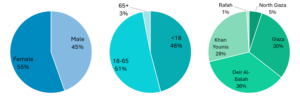
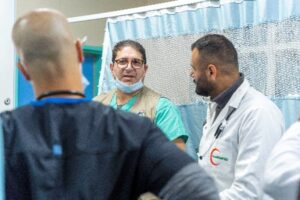
Following training, PRCS healthcare teams were connected to a TeleDermatology Network of international volunteer dermatologists, creating a system for rapid specialist consultation. Through this network:
- 30 volunteer dermatologists actively participated in the program
- Specialists provided remote case review, diagnosis, treatment guidance, and follow-up recommendations
- Ensuring Treatment Through Medication Support
Accurate diagnosis alone is insufficient without access to treatment. The project therefore prioritized ensuring continuous availability of essential dermatological medications. By December 2025:
- Six batches of dermatological medications had been procured and delivered
- 81,270 units of medications, tablets, and administrative supplies were distributed
Service Delivery Impact (2025)
the TeleDermatology Initiative achieved significant reach during 2025.
| 13,000+ | teledermatology consultations |
| 10,000+ | patients examined and treated |
| 30 | international volunteer dermatologists engaged |
| 81,270 | units of dermatological medications and treatment supplies delivered |