Children with Autism Spectrum Disorder (ASD) require specialized, long-term therapeutic interventions to support their communication, behavioral regulation, and social development. Access to comprehensive rehabilitation services remains limited in many parts of the West Bank, particularly for families with limited financial resources.
Without consistent, high-intensity therapy, children with ASD face increased challenges in communication, independence, and social integration. Ensuring continuity of rehabilitative services is therefore essential to improving long-term developmental outcomes and supporting families caring for children with special needs.
Target Beneficiaries
The project primarily benefits children with Autism Spectrum Disorder in the West Bank, particularly those from families who face financial barriers to accessing specialized rehabilitation services.
Indirect beneficiaries include:
- Families and caregivers supported through improved child behavior and communication
- Therapists and rehabilitation staff whose professional capacity was strengthened through training
- Communities benefiting from improved inclusion and support for children with developmental disabilities
Key Interventions & Service Delivery Impact
Services were designed to provide continuous rehabilitation support, including for adolescents who require longer-term intervention to maintain developmental progress.
- 20 children with Autism Spectrum Disorder
- Age range: 5–18 years
- Socioeconomic background: Low to middle income families
- Individualized Therapeutic Services
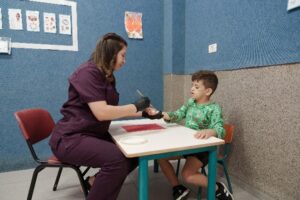
~14,400 therapy sessions were delivered throughout the year across multiple specialized programs.
Therapies included:
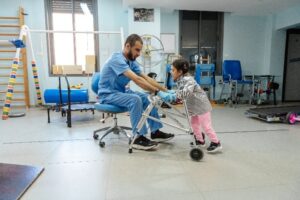
- Occupational Therapy – development of motor skills and daily functioning
- Speech and Language Therapy – communication development and expressive language
- Applied Behavior Analysis (ABA) – behavior modification and learning support
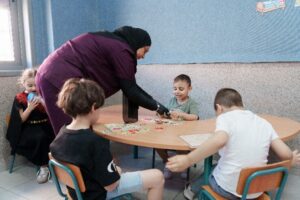
- Group Behavior and Social Skills Therapy – peer interaction and emotional regulation
- Sensory Integration Therapy – sensory processing and coordination
- Structured Daytime Programming
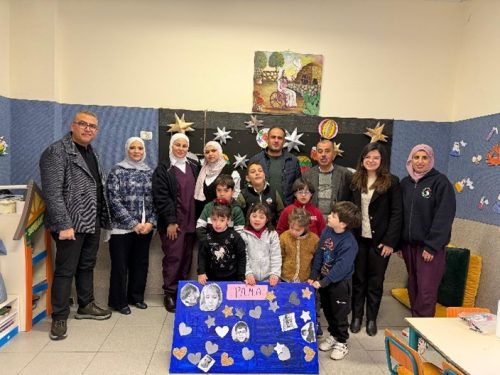
Children participated in a structured daily program that included:
- Recreational and social activities
- Therapeutic swimming sessions
- Sports and outdoor learning
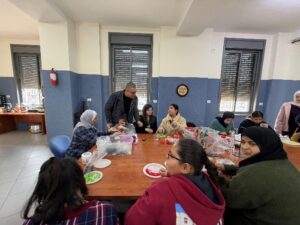
- Life-skills activities such as shared meals and social interaction
These activities supported children’s social engagement, independence, and adaptive functioning.
- Capacity Building for Staff
The project also strengthened local expertise in autism care.
- 12 training sessions delivered on sensory integration techniques
- 3 therapists trained through workshops and practical training
This capacity-building component improved the quality and sustainability of therapeutic services.
- Therapeutic Supplies and Program Support
To support the rehabilitation environment, the project provided:
- Sensory integration equipment
- Educational and therapeutic toys
- Basic health supplies for therapy sessions
- Nutritious meals provided five days per week during therapy programs
Results Achieved
Monitoring and evaluation of the program showed measurable improvements in children’s development and family wellbeing. These outcomes were measured through standardized therapeutic assessments, observation tools, and caregiver feedback collected throughout the program.
- 80% of children showed improvement in motor, speech, and behavioral skills
- 70% of caregivers reported improved behavior and family interaction at home
- Increased social engagement and independence among participating children