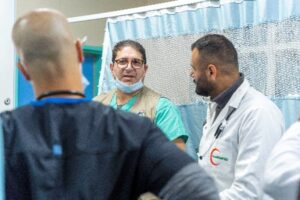

The prolonged humanitarian crisis in Gaza has severely affected household livelihoods. Widespread displacement, rising food insecurity, and limited economic opportunities have left many families dependent on humanitarian assistance to meet basic needs.
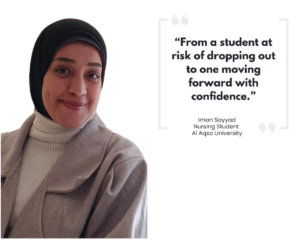
Seasonal periods such as winter and major religious holidays often place additional strain on households. Cold weather increases the need for basic supplies and food, while religious occasions such as Ramadan, Eid Al-Fitr, and Eid Al-Adha carry strong cultural expectations around meals, family gatherings, and celebrations—needs that many families are unable to meet during times of crisis.
PAMA’s livelihood support packages were therefore designed to provide timely assistance during these critical periods, helping families maintain basic living standards and dignity.
Target Beneficiaries
The program prioritizes:
- displaced families across the Gaza Strip
- children, particularly orphans and children with disabilities
- vulnerable households facing food insecurity
- families living in shelters or temporary housing
Program Contribution
Through timely livelihood support packages, the program helpS:
- stabilize food consumption for vulnerable households
- reduce immediate economic pressures on displaced families
- preserve dignity during important cultural and religious periods
- provide children with moments of joy and normalcy despite crisis conditions
Key Activities
- Winterization Support (December 2024 – February 2025)
To help families cope with cold weather conditions, PAMA delivered winter support packages that included food assistance and essential supplies.
Impact
23,931 beneficiaries received winter assistance through three intervention types:
- Food Parcels
- Vegetable Baskets
- Winter Kits
- Ramadan and Eid Al-Fitr Assistance for Gaza Families (March – April 2025)
During Ramadan 2025, the program provided food support to help families observe the holy month despite difficult living conditions.
Impact
21,575 people served through Iftar and Suhoor meals
(4,315 families)
200,000+ meals provided throughout the month
20 clay ovens supporting 15,000+ internally displaced people
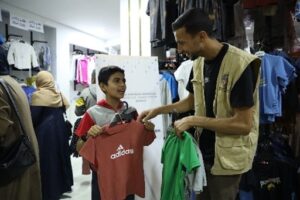
1,975 families received Eid clothing to allow children and families to celebrate Eid Al-Fitr
- Ramadan and Eid Al-Fitr Support for Vulnerable Children (March – April 2025)
The program also targeted orphaned and disabled children, ensuring they were able to participate in Ramadan and Eid celebrations.
Impact
300 vulnerable children received comprehensive support packages, including:
- Daily nutritious Iftar and Suhoor meals throughout Ramadan
- New Eid clothing to support dignity and celebration
- Hygiene kits and toys to promote well-being and psychosocial comfort
- Eid Al-Adha Support (June 2025)
To support children during Eid Al-Adha celebrations, the program distributed clothing and recreational items.
Impact
200 children received Eid clothing
625 toy parcels distributed