In recent years, the humanitarian and protection situation in several areas of the West Bank has deteriorated significantly. Governorates such as Jenin and Nablus have experienced repeated military incursions, settler violence, home demolitions, mass displacement, and severe restrictions on movement.
Children living in refugee camps and marginalized rural communities are particularly affected. Many have been exposed to repeated traumatic events, including violence, displacement, and disruption of daily life, placing them at heightened risk of long-term psychological distress and social vulnerability.
Within this environment, access to structured psychosocial support services remains limited, while the need for child-focused mental health interventions continues to grow.
Objectives
The project aimed to: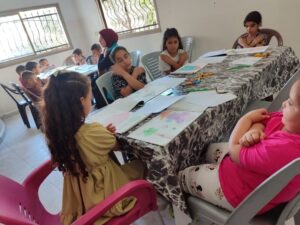
- Reduce acute psychological distress among children affected by violence and displacement
- Strengthen coping mechanisms and emotional resilience among children and caregivers
- Provide structured psychosocial support services in high-risk communities
- Enhance caregivers’ capacity to support children’s emotional wellbeing
- Support frontline staff working under prolonged emergency conditions
Key Interventions
With PAMA’s support, the project implemented a comprehensive package of psychosocial and protection activities, including:
- Emergency Psychological First Aid (PFA)
Rapid response to incidents of political violence, providing immediate emotional support, practical assistance, and referrals. - Team Up Groups for Children
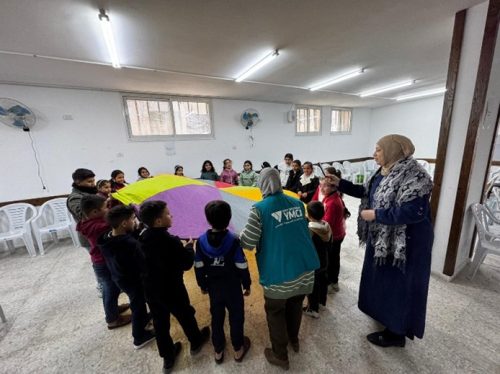
Movement-based psychosocial groups designed to strengthen emotional regulation, resilience, and peer interaction. - Interactive Recreational Activities
Structured recreational days providing safe spaces for children to engage in play, creativity, and social connection. - Group Psychosocial Counseling
Targeted group counseling sessions for children experiencing elevated levels of stress and trauma. - Caregiver Awareness and Support Sessions
Group sessions designed to strengthen caregivers’ ability to support children’s emotional needs and manage family stress. - Referrals to Specialized Services
Identification and referral of children and caregivers requiring specialized mental health, protection, or social services. - Theatre-Based Psychosocial Activities
Creative activities using theatre and storytelling to help children express emotions and process trauma. - Helping the Helpers Program
Stress management and self-care support for counselors and field staff working under prolonged emergency conditions.
Target Beneficiaries
The project focused on children and families living in conflict-affected communities in Jenin and Nablus, particularly:
- Children exposed to repeated traumatic events
- Children living in refugee camps or marginalized communities
- Caregivers facing high levels of stress and displacement
- Frontline psychosocial workers supporting affected communities
Service Delivery Impact
The project reached thousands of beneficiaries and exceeded several of its planned targets.
| 4,785 | Total beneficiaries reached |
| 264 | emergency incidents responded to through Psychological First Aid |
| 1,770 | individuals received rapid psychosocial support following incidents of violence |
| 12 | Team Up psychosocial groups implemented for children |
| 32 | structured recreational days conducted for children |
| 15 | group counseling programs delivered to children experiencing trauma |
| 12 | caregiver awareness groups conducted |
| 45 | children and caregivers referred to specialized services |
| 59 | counselors and field staff supported through stress management programs |
| 201 | children engaged through theatre-based psychosocial activities |