The prolonged humanitarian crisis in Gaza has created widespread psychological distress among children and families. Repeated displacement, exposure to violence, loss of loved ones, and prolonged insecurity have deeply affected the emotional well-being of communities.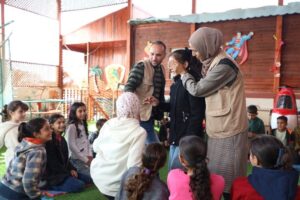
Children have experienced severe disruptions to their daily lives, including the loss of safe spaces, schooling interruptions, and exposure to traumatic events. Many display symptoms associated with trauma, including emotional withdrawal, heightened anxiety, behavioral changes, and difficulty regulating emotions.
At the same time, caregivers often face immense stress as they attempt to support their families under extremely difficult living conditions. Strengthening both child resilience and caregiver capacity is therefore essential to supporting recovery and rebuilding a sense of stability.
Mental health and psychosocial support interventions are critical to helping children regain a sense of safety, rebuild coping mechanisms, and restore healthy family relationships.
Project Objectives
The goal of this intervention is to support the psychological well-being and emotional recovery of children and families affected by conflict and displacement in Gaza.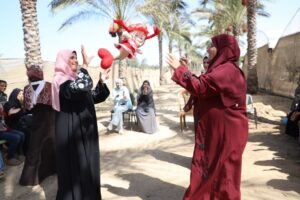
Specific Objectives
- Provide structured psychosocial support sessions for children experiencing distress.
- Strengthen caregivers’ capacity to support children’s emotional well-being.
- Build local capacity of mental health professionals to deliver trauma-informed psychosocial services.
- Strengthen family relationships and communication through joint psychosocial activities.
Key Activities
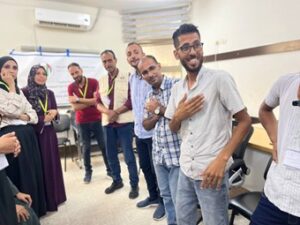
- Capacity Building for MHPSS Professionals
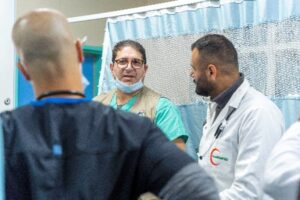
The project began by strengthening the capacity of frontline mental health and psychosocial support providers.
- 28 psychologists, social workers, and facilitators were trained in the CABAC methodology.
- Training covered:
- child-centered psychosocial care
- trauma-informed practice
- ethical service delivery
- standardized assessment tools
- Structured CABAC Group Sessions for Children
Children participated in structured psychosocial support sessions based on the CABAC methodology, designed to help them process trauma and develop healthy coping strategies.
- 842 children participated
- 20 sessions delivered per child
Sessions focused on:
- emotional expression
- emotional regulation
- coping skills
- social interaction and peer support
- Psychoeducation and Support Sessions for Caregivers
Caregivers participated in dedicated psychoeducation and stress management sessions, strengthening their ability to support their children emotionally.
- 818 caregivers participated
- 10 sessions delivered per caregiver
Sessions addressed:
- parental stress management
- understanding children’s emotional needs
- supportive caregiving practices
- strengthening family communication
- Psychological First Aid (PFA)
Psychological First Aid sessions were implemented in response to acute traumatic events, including an incident at Insan Camp following the death of a child.
The intervention included:
- a full week of psychosocial support sessions
- activities targeting all children in the camp
- stabilization and emotional support for affected families
- Child-Caregiver Integration Activities
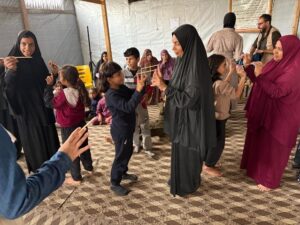
Joint sessions were organized to strengthen relationships between children and caregivers. Activities included:
- group play activities
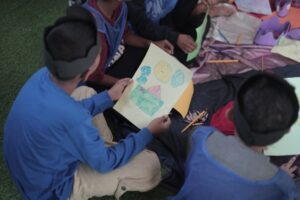
- joint drawing and creative expression
- guided dialogue sessions
- emotional expression exercises
These activities helped families practice positive communication and strengthen emotional bonds.
- Open Days
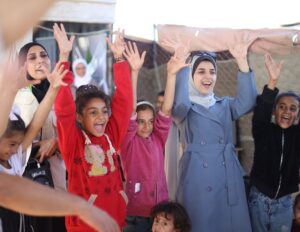
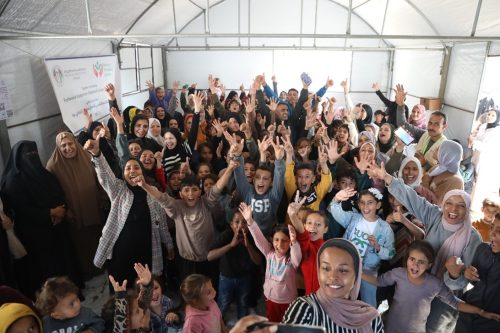
The program also organized open days, creating safe and supportive environments for children. Activities included:
- group games and play activities
- drawing and coloring corners
- free expression sessions
- simple performances prepared by children
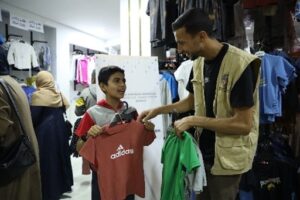
- distribution of symbolic gifts
These events helped create moments of joy, social connection, and emotional relief for participating children.
- Monitoring, Evaluation, and Referrals
The project incorporated strong monitoring and evaluation mechanisms to ensure quality and accountability. Monitoring activities included:
- pre- and post-assessments for children and caregivers
- use of standardized psychosocial assessment tools
- routine supervision and field monitoring
Referral pathways were activated in accordance with the IASC MHPSS framework, ensuring that children requiring more specialized care received appropriate support.
- 12 individual counseling sessions were provided for children experiencing severe distress
- 25 cases were referred to specialized mental health, protection, or humanitarian services
Service Delivery Impact (2025)
The project reached:
1,688 direct beneficiaries across Gaza Strip
842 children
818 caregivers
28 MHPSS workers