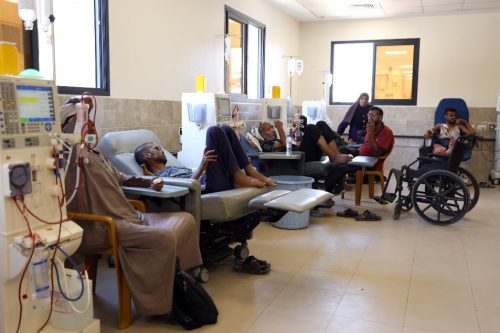
Patients with chronic kidney disease (CKD) requiring dialysis represent one of the most medically vulnerable populations in Gaza. Dialysis is a lifesaving, ongoing treatment that typically requires two to three sessions per week, supported by continuous clinical monitoring, regular laboratory testing, and coordinated care by a multidisciplinary team including nephrologists, dialysis nurses, laboratory staff, pharmacists, and nutrition specialists.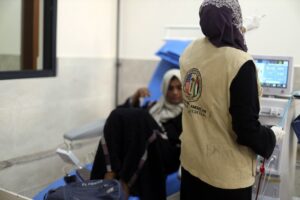
Effective dialysis management requires close monitoring of fluid balance, electrolyte levels, blood pressure, vascular access, and medication regimens, with treatment adjustments based on patients’ clinical status. Interruptions to dialysis schedules or gaps in monitoring can quickly lead to serious complications, including fluid overload, electrolyte imbalance, and cardiovascular instability.
Dialysis services also depend on specialized infrastructure, including dialysis machines, reliable electricity, and water purification and filtration systems that produce the ultrapure water required for safe treatment. Adequate infection prevention measures, sterile consumables, and appropriate clinical space are essential to reduce the risk of healthcare-associated infections within dialysis units.
In Gaza, dialysis centers operate under severe constraints due to damage to health infrastructure, shortages of equipment and supplies, limited treatment capacity, and increased demand resulting from displacement. At the same time, many patients face limited access to adequate nutrition and safe drinking water, further complicating the management of fluid balance and metabolic stability.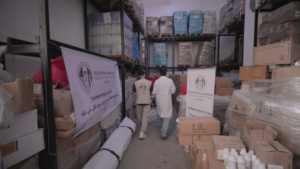
These conditions make it essential to strengthen dialysis capacity, ensure reliable access to medications and consumables, support clinical teams, and maintain continuous monitoring to preserve safe and uninterrupted dialysis care for patients with chronic kidney disease in Gaza.
Project Objectives
The overall objective of PAMA’s Kidney Care Program is to ensure the continuity, safety, and quality of dialysis care for patients with chronic kidney disease in Gaza by strengthening dialysis infrastructure, supporting clinical teams, and expanding access to nephrology expertise.
Specific Objectives
- Expand dialysis treatment capacity by providing hemodialysis machines and strengthening dialysis units in Gaza.
- Improve patient safety and clinical monitoring through the provision of essential medical equipment for dialysis departments.
- Ensure uninterrupted dialysis care by supplying essential nephrology medications, medical supplies, and dialysis-related consumables.
- Facilitate access to specialized care through TeleNephrology services connecting local teams with international nephrology experts.
- Enhance the capacity of healthcare providers through specialized nephrology medical missions that provide on-site clinical support, training, and mentorship.
Target Beneficiaries
The primary beneficiaries of the Kidney Care Program are patients with chronic kidney disease requiring dialysis across the Gaza Strip. In 2025, the program focused on strengthening dialysis services at key facilities, including: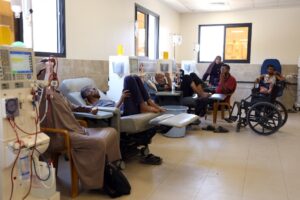
- Nasser Medical Complex (Khan Younis)
- Al-Aqsa Hospital (Deir Al-Balah)
- Al-Zawaida Field Hospital (Deir Al-Balah)
Looking ahead, PAMA is working to expand the program in 2026 to support dialysis departments across all hospitals in Gaza, ensuring that patients in all governorates can benefit from strengthened dialysis capacity, improved clinical monitoring, and access to specialist nephrology support.
Key Activities and 2025 Interventions
- Provision of Hemodialysis Machines
To expand dialysis capacity and address patient overload, PAMA supported the provision of additional hemodialysis machines.
- 10 hemodialysis machines delivered in September 2025 at Al-Dagama Hemodialysis Centre, Nasser Medical Complex
- Equipment and Furniture for Dialysis Units
To improve patient monitoring and treatment safety, PAMA delivered essential medical equipment and furniture to dialysis departments at Al-Aqsa Hospital and Al-Zawaida Field Hospital.
Equipment delivered in 2025 included:
- 1 portable patient monitor
- 2 defibrillators
- 2 ECG machines
- 5 electric nebulizers
- 4 medical refrigerators
- Medications, Medical Supplies, and Consumables
Dialysis patients require a range of supportive medications and consumables to manage complications associated with chronic kidney disease and to maintain safe treatment conditions within dialysis units.
PAMA provided essential nephrology medications, dialysis-related consumables, and personal protective equipment to support uninterrupted dialysis services across partner facilities. This intervention helps ensure that dialysis patients continue to receive safe, continuous treatment while reducing the risk of complications associated with treatment interruptions or supply shortages.
These supplies support several critical functions, including:
- Management of mineral and bone disorders commonly associated with chronic kidney disease
- Control of blood pressure and cardiovascular risk factors, which are prevalent among dialysis patients
- Management of inflammation, infection, and pain during treatment
- Supportive therapy for patients undergoing regular dialysis sessions
- Maintenance of infection prevention and control standards within dialysis units
A second supply batch is currently in transit to respond to the ongoing demand for dialysis-related medications and consumables across supported facilities.
- TeleNephrology Services
The TeleNephrology initiative introduces a remote specialist care model designed to support dialysis units facing chronic shortages of nephrology expertise. The program began with a pilot at Al-Aqsa Hospital, serving approximately 120 dialysis patients.
Following successful implementation, the program expanded to Al-Zawaida Field Hospital, reaching approximately 400 dialysis patients.
The TeleNephrology model includes:
- on-site clinical teams conducting patient assessments and data entry
- development and deployment of an Electronic Medical Records (EMR) system
- provision of diagnostic equipment and laboratory kits
- bi-weekly tele-rounds with U.S.-based nephrologists
- management plans aligned with specialist recommendations
PAMA is coordinating to launch this program across all dialysis centers in Gaza Strip.
- Nephrology and Dialysis Medical Missions (2025)
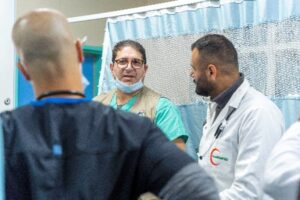
The Kidney Care Program is further strengthened through specialized nephrology and dialysis medical missions, deployed as part of PAMA’s broader Medical Missions Program. These missions provide on-site specialist support, perform procedures, train local healthcare providers, and help stabilize dialysis services in overstretched hospitals.
Service Delivery Impact (2025)
During 2025:
~400 hemodialysis patients managed
5 nephrology-focused medical missions deployed
~ 3,900 dialysis and nephrology consultations provided
44 nephrology-related surgical procedures performed
1 tele-nephrology preparatory training delivered
16 nephrology-related patient referrals supported