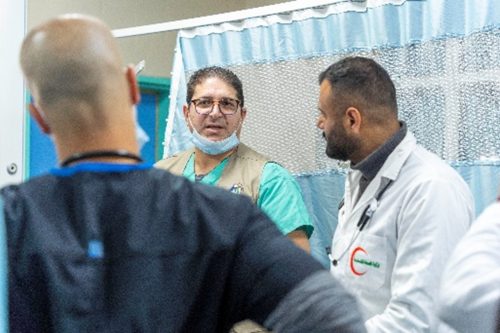
Intensive care units (ICUs) play a critical role in managing life-threatening conditions, including severe infections, trauma, respiratory failure, and complications from chronic diseases. Across the West Bank, ICU teams often operate under resource constraints, including limited access to advanced training, shortages of specialized intensivists, and gaps in standardized clinical protocols.
Strengthening critical care capacity is therefore essential to improving outcomes for critically ill patients and enhancing national preparedness for health emergencies and mass casualty events.
Key Interventions
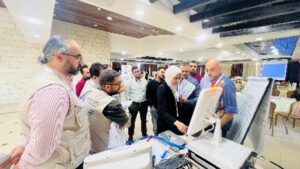
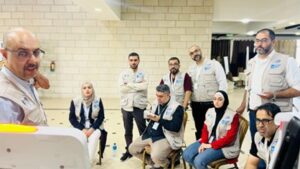
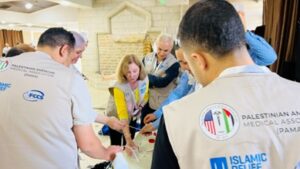
- Critical Care Training and Capacity Building: Comprehensive training programs for ICU physicians and nurses across the West Bank, including the Fundamentals of Critical Care Support (FCCS) course and additional advanced critical care training modules.
- Critical Care Fellowships: Support for three intensivists from governmental hospitals to pursue advanced fellowship training in intensive care medicine, strengthening national expertise in critical care.
- Advanced CRRT Training: Short-term specialized training in Continuous Renal Replacement Therapy (CRRT) for ICU doctors and nurses.
- Provision of Essential ICU Equipment: Targeted provision of critical medical equipment to hospitals across the West Bank to support safe and effective ICU care.
- Specialized Critical Care Medical Missions: Deployment of six specialized critical care medical missions to support bedside care, mentoring, and knowledge transfer to local ICU teams.
- Standardization of Critical Care Protocols: Development and harmonization of national clinical protocols, guidelines, and policies for ICU services.
Target Beneficiaries
The initiative primarily benefits:
- ICU physicians and nurses across hospitals in the West Bank
- Critically ill patients requiring advanced intensive care services
Indirect beneficiaries include:
- Hospitals whose ICU capacity is strengthened through training and equipment
- The national health system through improved emergency preparedness and specialist workforce development
- Communities across Palestine who gain improved access to advanced critical care services.
Key Achievements in 2025
- Critical Care Training and Capacity Building
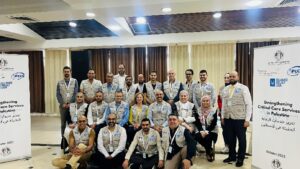
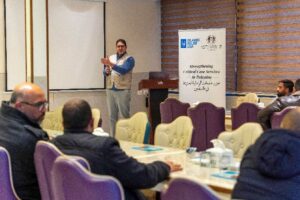
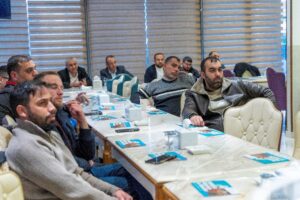
In October 2025, PAMA successfully delivered the first cohort of FCCS training.
- 17 physicians trained as FCCS instructors (Training of Trainers)
- 18 physicians and 32 ICU nurses completed FCCS and advanced critical care training
- Participants represented hospitals across multiple governorates in the West Bank and Jerusalem
- Pre- and post-training evaluations demonstrated measurable improvements in knowledge and clinical skills
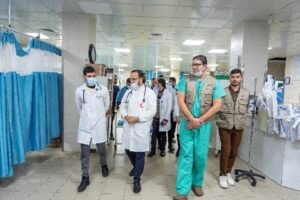
- Critical Care Medical Mission – Direct ICU Impact
Alia Hospital, Hebron | 15–22 December 2025
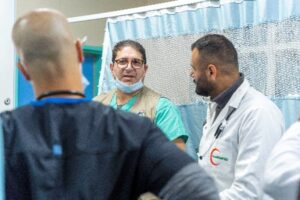
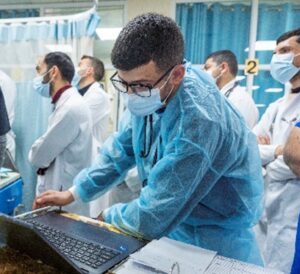
During the mission, ICU teams managed complex critical care cases while receiving hands-on mentorship.
Clinical consultations and case management
- 42 consultations conducted
- 21 ICU patients managed
Case mix included Stroke, Sepsis, Acute respiratory distress syndrome (ARDS), Trauma, Burns, Cardiac failure, Acute kidney injury and Metabolic emergencies
Patient outcomes
- Stable: 8%
- Improved: 25%
- Deteriorated: 2%
Capacity-building impact
- 67 health workers directly mentored
- Physicians: 22
- Nurses: 15
- Medical students: 30
Additional outcomes:
- 17 teaching activities delivered
- 16 hours of mentorship
- 42 additional specialists reached across 6 hospitals